📞  — free, 24/7
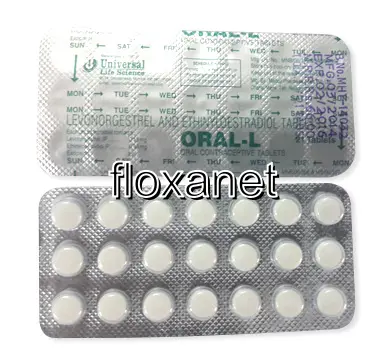
— free, 24/7 — free, 24/7Levonorgestrel / Ethinylestradiol
| Package | Price per Dose | Price | |
|---|---|---|---|
| 252 pills | $1.58 | $497.93 $398.34 Free shipping | |
| 189 pills | $1.71 | $402.50 $322.00 Free shipping | |
| 126 pills | $2.01 | $317.49 $253.99 Free shipping | |
| 84 pills | $2.28 | $239.41 $191.53 | |
| 63 pills | $2.46 | $194.30 $155.44 | |
| 2 pill | $2.97 | $78.06 $62.45 | |
| 252 pills | $1.44 | $454.55 $363.64 Free shipping | |
| 189 pills | $1.64 | $386.89 $309.51 Free shipping | |
| 126 pills | $2.10 | $329.63 $263.71 Free shipping | |
| 84 pills | $2.50 | $261.97 $209.57 Free shipping | |
| 63 pills | $2.76 | $216.86 $173.49 | |
| 2 pill | $3.57 | $93.67 $74.94 |
Disclaimer: This information is for general understanding and is not a substitute for professional medical advice. Always follow the instructions on the product label and consult your healthcare provider for guidance tailored to your situation.
In the United States, falmina may require a prescription depending on local rules and the product you receive. This page is intended to supplement the official patient information leaflet provided with your medicine.
Falmina is a medication intended to treat certain health conditions under medical supervision. The exact formulation and strength may vary by product, so it is important to read the packaging and insert that come with your falmina dose form.
The active ingredient in falmina determines how it works and what it can treat. Your clinician or pharmacist can explain the specific purpose of the falmina product you have, including what symptoms or conditions it is meant to address.
Falmina should be used only as directed by a clinician or according to the product label. Do not use falmina for a purpose other than what it was prescribed for, and do not share it with others.
Store falmina according to the label instructions. Keep it out of reach of children and pets, and avoid exposure to moisture or heat if the label recommends so.
This information page does not replace the official patient information leaflet. If you have questions about why falmina has been prescribed for you, ask your doctor or pharmacist for clarification.
If you experience severe allergic reactions, breathing problems, or chest tightness after taking falmina, seek urgent medical help immediately and contact your clinician as soon as possible.
Falmina is used to address symptoms or conditions that are treated by its active ingredient, as determined by a clinician. The exact approved uses depend on the specific product and regulatory labeling in your area.
In many cases, falmina may be prescribed for short‑term relief of discomfort, fever, or inflammatory symptoms when appropriate. Your healthcare professional will determine whether falmina is suitable for your situation and for how long it should be used.
Falmina is not a general antibiotic, antiviral, or immune booster unless explicitly labeled for a particular indication. It is important that you use falmina only for the conditions discussed with your clinician.
Because formulations differ, the same brand name falmina might have different approved uses in different countries or for different products. Always verify the intended use with your pharmacist or doctor before starting treatment.
If you are unsure why falmina was prescribed for you, contact the prescribing clinician or the pharmacist who dispensed it. They can explain how falmina may help your specific symptoms or condition.
Remember that stopping falmina abruptly without medical advice can affect symptoms or the course of an underlying condition. Follow your clinician’s instructions regarding duration of therapy and any planned follow‑up assessments.
The mechanism of action for falmina depends on its active ingredient. In general terms, many medicines work by altering biological processes to reduce symptoms such as pain, inflammation, fever, or other related signs.
Falmina may influence signaling in the body through specific receptors, enzymes, or mediators. This action can help alleviate symptoms that have been identified as part of an underlying condition or acute illness.
Because the exact mechanism can vary with product formulation, the specific way falmina helps you feel better should be explained by your clinician or pharmacist for the product you are taking.
Understanding how falmina works can help you recognize when it is having its intended effect. If you do not notice any improvement after a reasonable period, or if symptoms worsen, contact your healthcare provider for advice.
Some users may respond differently to falmina depending on factors such as age, kidney or liver function, other medications, or underlying health issues. Discuss these factors with your clinician to ensure appropriate use.
As with all medicines, falmina's benefits should be weighed against potential risks. Do not assume it is working or safe simply because it is available over the counter or online without a prescription in your locale; follow medical guidance closely.
Use falmina exactly as prescribed or as indicated on the product label. Do not change the dose or frequency without consulting the clinician or pharmacist who supplied it to you.
Swallow falmina with a full glass of water unless the label says otherwise. If falmina is in an extended‑release form, do not chew, crush, or break the tablet unless the label specifies that this is allowed.
Take falmina with food if you experience stomach upset, unless your clinician advises taking it on an empty stomach. Food may alter the absorption of some products, so follow the label’s guidance.
Avoid taking other medicines at the same time if there is a known interaction with falmina. If you are unsure, ask your pharmacist for guidance before combining falmina with any other prescription, over‑the‑counter medicines, vitamins, or herbal products.
If you miss a dose, do not double dose unless your clinician or the label specifically instructs you to do so. Check the official leaflet or contact your pharmacist for the recommended action if you miss a dose.
Store falmina as instructed on the label, usually in a cool, dry place away from children. Do not transfer the medicine to another container unless instructed by your clinician to ensure safety and accuracy of dosing.
Falmina should not be used in people who have had an allergic reaction to falmina or any of its ingredients. If you notice signs of an allergic reaction—such as hives, swelling of the face or throat, trouble breathing—seek medical attention right away.
People with certain medical conditions should exercise caution, or falmina may be contraindicated. This may include liver or kidney problems, certain heart conditions, or other chronic illnesses. A clinician will determine whether falmina is appropriate for you.
Pregnant or breastfeeding individuals should discuss use with a healthcare professional. Some falmina formulations may not be recommended during pregnancy or while nursing, depending on the product and stage of pregnancy.
Falmina may interact with other medicines, foods, or supplements. If you take other prescription medicines, over‑the‑counter products, or herbal remedies, disclose them to your clinician or pharmacist to avoid potential interactions.
Do not give falmina to children or adolescents unless specifically approved for pediatric use by a clinician and the product label. Pediatric dosing often differs from adult dosing and requires professional supervision.
If you have any doubts about whether falmina is appropriate for you or a family member, discuss alternative options with a healthcare professional before starting treatment.
Before using falmina, inform your clinician about all medications you take and any medical conditions you have. Some warnings apply to many products that share the falmina name, while others are specific to the exact formulation you have.
Be aware of potential interactions that could increase side effects or reduce effectiveness. Always consult a pharmacist or physician if you are unsure about combining falmina with other therapies.
Do not operate heavy machinery or drive if you feel dizzy, drowsy, or impaired after taking falmina, unless you know how it affects you and your clinician has cleared you to drive.
Alcohol can interact with some falmina products and may worsen side effects. If your clinician has advised limiting or avoiding alcohol, follow that guidance closely.
Tell your clinician if you have kidney, liver, or heart conditions, as these may alter how falmina is metabolized or eliminated from the body. Dose adjustments or monitoring may be necessary.
If you notice persistent or worsening symptoms while using falmina, or if new symptoms appear, contact your clinician promptly. Do not ignore warning signs that could indicate a serious problem.
All medicines carry the risk of side effects. Common side effects with falmina may include minor stomach upset, headache, or dizziness, though not everyone experiences these symptoms.
Most side effects are mild and tend to improve with continued use or after stopping the medication. If side effects persist or become troublesome, discuss them with your clinician or pharmacist.
Serious side effects are rare but can occur. Seek urgent medical help if you experience signs such as severe allergic reactions, persistent abdominal pain, yellowing of the skin or eyes, dark urine, or any new, severe, or concerning symptoms.
Some individuals may experience skin reactions, breathing issues, or swelling that requires urgent evaluation. If you notice any unusual or worsening symptoms after starting falmina, contact your healthcare professional promptly.
Long‑term use of falmina can be associated with risks that require monitoring. Do not continue or restart falmina without professional guidance if you have had prior adverse reactions to this drug or if a clinician has advised against its use for your situation.
Always review the patient information leaflet that accompanies your product for a full list of potential side effects and instructions on what to do if they occur.
Falmina can interact with other medicines, supplements, or foods. Interactions can change how falmina works or increase the risk of side effects.
Tell your clinician about all medicines you take now, and any new medicines you start while using falmina. This includes over‑the‑counter drugs, vitamins, and herbal supplements.
Some interactions may require a dose adjustment, a change in timing, or closer monitoring. Do not start or stop any other medicine without speaking to a healthcare professional.
If you are planning major medical procedures or anesthesia, inform the healthcare team that you are taking falmina. They can determine whether any changes are needed to your treatment plan.
In case of an accidental overdose or suspected interaction, seek medical help immediately. Do not rely on home remedies without professional guidance.
Always consult a pharmacist if you are unsure about potential interactions with falmina before you take any new medicine or supplement.
If you are pregnant or planning to become pregnant, discuss falmina with your clinician. Some medications may affect fetal development or pregnancy outcomes, while others may be unsafe during pregnancy.
If you are breastfeeding or planning to breastfeed, talk with your clinician about whether falmina is appropriate for you. Some medicines pass into breast milk and may affect a nursing infant.
In certain cases, your clinician may adjust the dose, switch you to another option, or recommend alternative therapies during pregnancy or lactation. Do not change your treatment plan without medical advice.
If you become pregnant while taking falmina, contact your healthcare provider promptly to determine the best course of action for you and the baby.
Always read the product label and patient information leaflet regarding pregnancy and breastfeeding. Individual products may have different guidance, and your clinician will tailor advice to your circumstances.
Seek urgent medical help if you experience severe symptoms or signs of a potential complication during pregnancy while using falmina, and alert your healthcare team to the medication you are using.
Many factors influence how fast falmina may relieve symptoms, including the exact formulation, your health status, and the condition being treated. You may notice some improvement within hours or after several days, but this varies. If you do not notice any benefit after a reasonable period, contact your clinician.
If you miss a scheduled dose, do not panic. Do not double the next dose unless your clinician or the product labeling specifically instructs you to do so. Consult the leaflet or contact a pharmacist for the recommended action based on your dosing schedule.
Combining falmina with other medicines can change its effect or increase side‑effects. Always inform your clinician about all medicines you take, including over‑the‑counter products and herbal supplements, before starting falmina. A pharmacist can help assess potential interactions.
If you experience side effects, assess their severity and duration. Mild, early side effects may resolve with time, but persistent or troublesome symptoms should be discussed with a clinician or pharmacist. Seek urgent medical help for signs of a serious reaction.
Some people may feel dizzy, drowsy, or lightheaded after taking falmina. If you notice these effects, avoid driving or operating heavy machinery until you know how falmina affects you. Ask a clinician for guidance if you are unsure.
A alcohol interaction is possible with some falmina products. If your clinician has advised limiting or avoiding alcohol, follow that advice. If you are unsure, discuss this with your pharmacist or doctor.
Falmina dosing and safety in children depend on the specific product and age. Do not give falmina to a child unless a clinician has approved it and provided age‑appropriate dosing guidance. Always follow pediatric labeling on the product.
Signs of a possible allergy include hives, swelling of the face or lips, trouble breathing, or severe itching. If you notice these, stop taking falmina and seek urgent medical help right away.
Some conditions require gradual stopping under medical supervision. Do not stop falmina abruptly without guidance from a clinician, especially if you are using it for a long time or for a chronic condition. Your clinician may suggest a tapering plan if needed.
Some falmina products may require periodic monitoring tests, particularly if used long‑term or in people with certain health issues. Follow your clinician’s recommendations about any tests or follow‑ups, and report new symptoms promptly.
Ask your clinician or pharmacist for the official patient information leaflet that accompanies your falmina product. This document provides product‑specific details, including indications, dosing, contraindications, and safety information.
The information on this page is intended as a general reference and should align with the official patient information leaflets for the falmina product you are using. Always defer to your clinician’s guidance and the labeling provided with your medicine.
Regulatory labeling, prescribing information, and safety guidance are determined by the product’s manufacturer and the regulatory authorities in your jurisdiction. If you have questions about falmina, contact your pharmacist or prescribing clinician for clarification based on the exact product you possess.
For further reading, consult the official medication guide supplied with falmina and speak with a pharmacist about any questions you have regarding use, interactions, or safety. If you need help understanding the label, request a face‑to‑face explanation from a healthcare professional.
This page does not replace medical advice. If you suspect a serious reaction or feel unwell after taking falmina, seek urgent medical help and inform the care team about the medicine you are using.
14–21 days. Free from $200.00 .
5–9 days. $30.00
−10% when paying with cryptocurrency.
−10% on all repeat orders.
All orders are packed in neutral, unbranded boxes with no product name on the outside.