📞  — free, 24/7
— free, 24/7 — free, 24/7Gout treatments and relief products for managing acute attacks and long-term uric acid control. Prescription and over-the-counter anti-inflammatories, urate-lowering medicines, topical pain relief, and dietary aids support both sudden flare relief and ongoing gout management.
Gout treatments and relief products for managing acute attacks and long-term uric acid control. Prescription and over-the-counter anti-inflammatories, urate-lowering medicines, topical pain relief, and dietary aids support both sudden flare relief and ongoing gout management.
Medications listed under "Gout" are those most commonly used to treat the symptoms of gout and to reduce the risk of future attacks. Gout is a form of inflammatory arthritis caused by elevated levels of uric acid, and drug therapy can be aimed either at relieving acute pain and inflammation during a flare or at lowering long‑term uric acid levels to prevent recurrent episodes. This category groups treatments by their primary roles so shoppers can distinguish between short‑term symptom control and ongoing preventive therapy.
Many people use these medicines in two general ways: to stop or reduce the intensity of an acute gout attack, and to manage uric acid levels over time to prevent further flares and joint damage. Short‑term treatments are intended to act quickly to reduce pain, swelling and redness, while long‑term therapies are taken regularly to change the underlying metabolic conditions that lead to crystal deposition. Some regimens combine both approaches, for example starting preventive medication after an acute episode has been controlled.
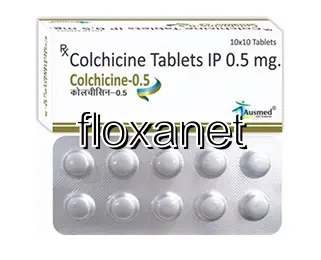
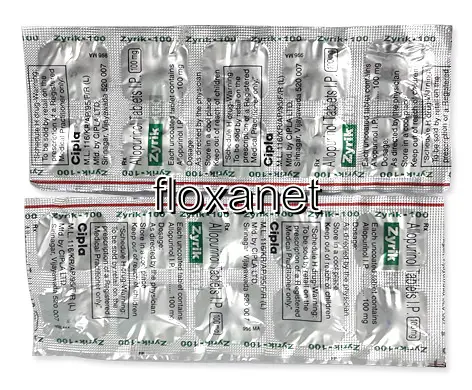
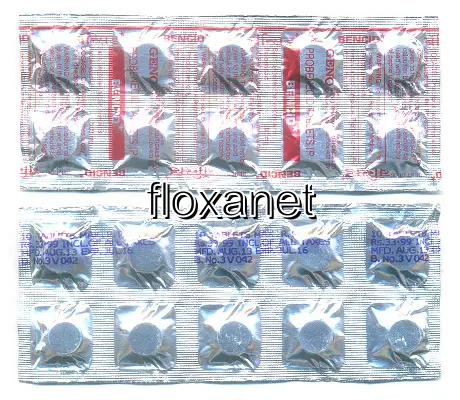
Products in this category fall into a few clear pharmacological groups. Colchicine is an anti‑inflammatory agent used for acute attacks and sometimes in low doses for flare prevention. Xanthine oxidase inhibitors, such as allopurinol (also marketed under names like Zyloprim), lower uric acid production and are the most common long‑term option for lowering serum urate. Uricosuric agents such as probenecid (Benemid) increase renal excretion of uric acid and may be used when xanthine oxidase inhibitors are unsuitable. Over‑the‑counter nonsteroidal anti‑inflammatory drugs (NSAIDs) and short courses of corticosteroids are also frequently used for symptomatic relief, though they may be listed in separate pain‑management categories.
Safety and monitoring are important considerations when choosing gout medicines. Common side effects vary by drug class: colchicine can cause gastrointestinal upset and, at higher doses or with certain drug interactions, more serious toxicity; allopurinol may cause skin reactions and, rarely, severe hypersensitivity that requires immediate medical attention. Kidney and liver function often influence drug choice and dosing, and some agents interact with commonly used medicines such as antibiotics, cholesterol‑lowering drugs, or drugs that affect drug‑transport proteins and metabolic enzymes. For these reasons, prescribers may recommend blood tests or dose adjustments and pharmacists can help review potential interactions.
When consumers compare options, they usually consider how quickly a medicine works, how it is taken (once daily versus multiple times), its safety profile, whether monitoring is required, and whether any existing health conditions affect suitability. Availability of generic formulations, tablet strengths, and pill burden are practical factors that influence adherence. Some users also look for information about starting or switching preventive therapy and what to expect regarding the timing of symptom improvement, while keeping in mind that individual responses vary.
Most gout medications are dispensed by prescription, and pharmacists play a key role in clarifying dosing, precautions and potential interactions. Storage, missed‑dose guidance, and whether a drug should be taken with food or water are routine practical questions a pharmacist or prescriber can address. If new symptoms or unexpected side effects occur after starting treatment, contacting a healthcare professional is the appropriate next step rather than changing or stopping medication without guidance. This category is intended to help shoppers identify and understand commonly used gout therapies so they can have informed discussions with their care team.