📞  — free, 24/7
— free, 24/7 — free, 24/7Products for supporting urinary tract and bladder health, including treatments and prevention aids for urinary tract infections, bladder control and urgency, urinary pain relief, pH and infection test strips, cranberry or D‑mannose supplements, urine-friendly probiotics, and catheter or hygiene supplies.
Products for supporting urinary tract and bladder health, including treatments and prevention aids for urinary tract infections, bladder control and urgency, urinary pain relief, pH and infection test strips, cranberry or D‑mannose supplements, urine-friendly probiotics, and catheter or hygiene supplies.
Urinary Health covers medicines used to manage conditions that affect the bladder, urethra and lower urinary tract. These products are most often used to relieve bothersome symptoms such as urgency, frequency, leakage and difficulty emptying the bladder, or to reduce involuntary spasms. The goal of treatment can be symptom control, improvement in daily comfort and function, or management of an underlying problem such as an enlarged prostate. Examples of drugs commonly associated with this area include treatments for overactive bladder, bladder spasms and medications that help relax the muscles of the prostate and bladder outlet.
Common use cases include overactive bladder with sudden urges and urge incontinence, stress or mixed urinary incontinence, bladder spasms after surgery or infection, and urinary symptoms caused by benign prostatic hyperplasia (BPH). For urgency and incontinence, antimuscarinic agents and newer agents are frequently prescribed to reduce involuntary bladder contractions. For men with BPH, alpha‑blockers are commonly used to relax smooth muscle around the prostate and bladder neck to improve urine flow. For short‑term relief of bladder spasm, antispasmodic agents are sometimes used.
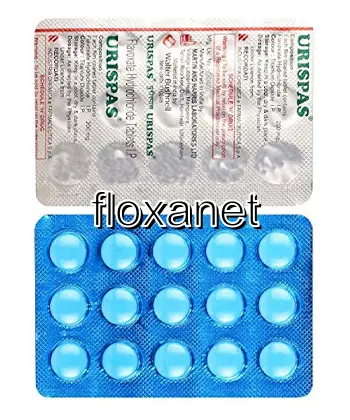
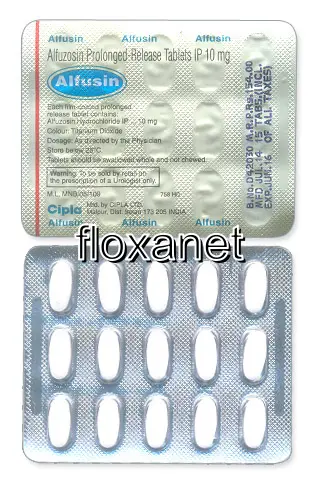
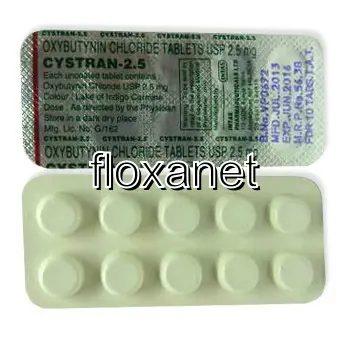
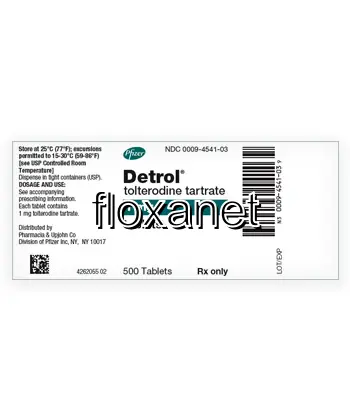
Different classes of medications appear in this category. Antimuscarinic or anticholinergic medicines such as tolterodine (often known as Detrol or Detrol LA) and oxybutynin (sold as Ditropan and available in patch form as Oxytrol) are aimed at reducing bladder overactivity. Alpha‑adrenergic blockers that can ease urinary obstruction include tamsulosin (often called Flomax), alfuzosin (Uroxatral), terazosin (Hytrin) and prazosin (Minipress), which are used primarily when prostate enlargement contributes to symptoms. Antispasmodics such as flavoxate (Urispas) provide relief of bladder cramping. Products come in different forms, including immediate‑release and extended‑release tablets and transdermal patches, to suit different needs.
Safety considerations are an important part of choosing urinary medications. Side effects vary by drug class and may include dry mouth, constipation, blurred vision or confusion with some antimuscarinic agents, and dizziness or low blood pressure with alpha‑blockers. Transdermal systems have their own local skin considerations. Interactions with other medicines, preexisting medical conditions and age can change the balance of benefits and risks, so careful review of product information and any preexisting medication list is relevant when considering options.
When people compare medicines in this area they often focus on how well a drug controls their particular symptoms, how quickly it begins to work, how often it must be taken and which side effects are most likely. Formulation can be decisive — for example, extended‑release formulations such as Detrol LA may reduce dosing frequency compared with immediate‑release forms, and a patch like Oxytrol may be preferred by someone who wants to avoid daily pills. Others weigh factors such as whether a medicine is approved for a particular age group, available as a generic, or has fewer interactions with other treatments they are taking.
Access and practical use vary: many urinary medicines are prescription products, while availability of specific formulations may differ between regions; some transdermal or low‑dose options are sold over the counter in certain markets. Product information sheets and pharmacist or prescriber counseling are commonly used to understand dosing, expected benefits and possible side effects. For those exploring options, reading the official patient information for a medicine and discussing formulation, dosing frequency and possible interactions helps match a choice to individual needs and daily routines.