📞  — free, 24/7
— free, 24/7 — free, 24/7Medications and treatments for prevention and management of parasitic infections, such as intestinal worms, protozoa, lice and scabies. Contains oral and topical antiparasitics, dosing forms and products used under medical guidance to eliminate or suppress parasites.
Medications and treatments for prevention and management of parasitic infections, such as intestinal worms, protozoa, lice and scabies. Contains oral and topical antiparasitics, dosing forms and products used under medical guidance to eliminate or suppress parasites.
Antiparasitic medicines target organisms that live on or inside the human body and derive nutrients at the host's expense. These drugs are aimed at a wide range of parasites, including intestinal worms (helminths), tapeworms and flukes, single-celled protozoa, and external parasites such as lice and mites. The category covers treatments for acute infections, eradication of chronic infestations and, in some cases, prevention of complications associated with persistent parasite presence.
Common situations that lead people to seek antiparasitic products include symptomatic intestinal infections (abdominal pain, diarrhea or visible worms), travel-related exposures in areas where certain parasites are endemic, and external infestations that produce itching or skin changes. Antiparasitics are used in both single-dose regimens and longer courses, depending on the organism involved and the drug’s mode of action. Some are intended for occasional use to clear an identified infection, while others may be part of a public health strategy in areas where particular parasites are common.
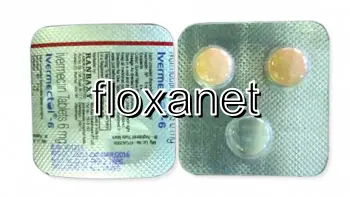
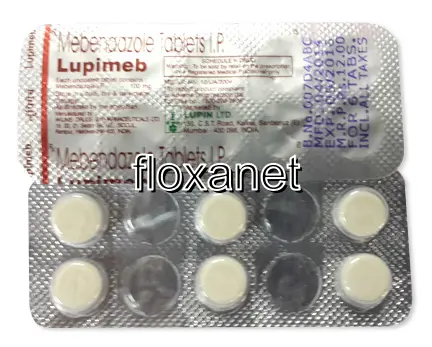
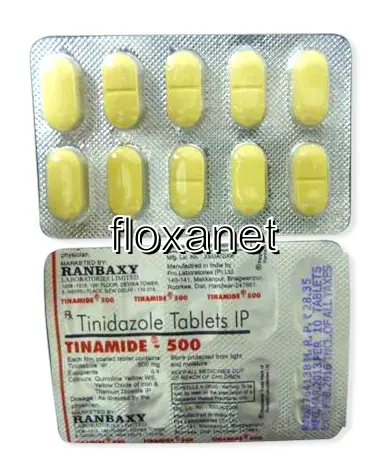
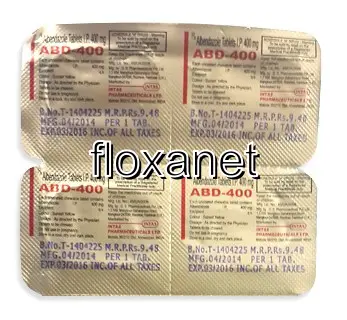
The medicines commonly found in this category come from several drug classes with different targets and mechanisms. Benzimidazoles such as albendazole (Albenza) and mebendazole (Vermox) are frequently used against many intestinal worms. Praziquantel (Biltricide) is used for tapeworms and fluke infections, and ivermectin (Stromectol) is used for certain tissue-dwelling worms and some external parasites. Nitroimidazoles such as tinidazole are active against various protozoal infections. These examples illustrate the diversity of agents grouped under “antiparasitic,” reflecting differences in spectrum, dosing and duration of therapy.
Products in this group are available in several formulations to suit age and clinical needs: oral tablets and suspensions are common for systemic infections, while topical creams or lotions are used for skin infestations. Treatment regimens vary from single-dose therapies to multi-day courses and occasionally repeated dosing cycles. Pediatric formulations or weight-based dosing instructions are often required for use in children, and some medicines have specific preparation or administration requirements to achieve optimal absorption.
Safety profiles differ across drugs and depend on the parasite being treated, the dose and the patient’s overall health. Side effects may include gastrointestinal upset, headache, dizziness or skin reactions, and some antiparasitic agents can interact with other medications or be contraindicated in pregnancy or in people with certain liver or neurological conditions. Many of these medicines are prescription-only and are typically used following diagnostic confirmation or professional assessment; laboratory monitoring may be recommended in specific situations to assess effectiveness or detect adverse effects.
When deciding which product to choose, users commonly consider the specific parasite or diagnosis, the required dosing schedule, age or pregnancy safety, formulation (oral versus topical), and whether the medicine is prescription-only. Availability of pediatric or weight-based options, known side-effect profiles, and the need for follow-up testing are also important factors. Clear product information on spectrum of activity and administration helps consumers match a treatment option to their situation while understanding that different antiparasitic medicines are selected for different organisms and clinical circumstances.