📞  — free, 24/7
— free, 24/7 — free, 24/7Medications and related products for managing Parkinson’s disease symptoms: oral and inhaled dopaminergic agents (levodopa, dopamine agonists), MAO‑B and COMT inhibitors, anticholinergics, and adjunct therapies, plus formulations and delivery devices for motor and non‑motor symptom control.
Medications and related products for managing Parkinson’s disease symptoms: oral and inhaled dopaminergic agents (levodopa, dopamine agonists), MAO‑B and COMT inhibitors, anticholinergics, and adjunct therapies, plus formulations and delivery devices for motor and non‑motor symptom control.
Medications in the Parkinson's disease category are designed to address the motor and some non-motor features associated with Parkinsonism and related movement disorders. They act on brain chemical systems, most commonly those involved with dopamine, to reduce symptoms such as tremor, muscle rigidity, slowness of movement and problems with balance. These medicines are part of long-term management strategies that may be adjusted over months or years as symptoms and treatment goals evolve.
People use these treatments for a range of situations: starting therapy for newly diagnosed symptoms, managing day-to-day mobility, treating fluctuations in control that can develop with long-term therapy, or addressing specific troublesome symptoms such as tremor or involuntary movements. Some medicines are preferred early in the course of symptoms, while others are more commonly used when clearer benefit from dopamine replacement is needed or when symptom control becomes more complex.
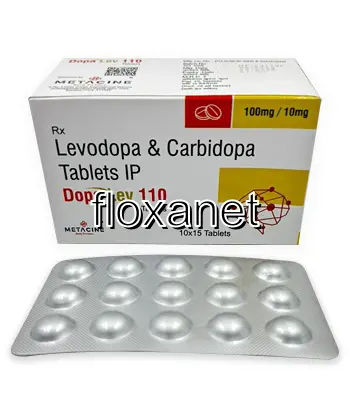
Several distinct types of medicines are found in this group. Dopamine precursors combined with peripheral inhibitors — for example levodopa combined with carbidopa — are widely used for marked improvement in motor symptoms and are available in immediate- and controlled-release forms. Dopamine agonists such as pramipexole and ropinirole mimic dopamine activity at certain brain receptors and are often used alone or alongside levodopa. Monoamine oxidase-B (MAO-B) inhibitors act by slowing the breakdown of dopamine in the brain. Anticholinergic agents target a different neurotransmitter system and can be useful for tremor-predominant cases, particularly in younger patients. Other options include drugs that affect glutamate signaling or drugs combined with enzyme inhibitors to prolong levodopa action. Examples familiar to many people include preparations known by names such as Sinemet and Sinemet CR (levodopa/carbidopa), Stalevo (a combination product containing levodopa/carbidopa plus a COMT inhibitor), Mirapex (pramipexole), Requip (ropinirole), Parlodel (bromocriptine), Eldepryl (selegiline), Artane (trihexyphenidyl), Kemadrin (procyclidine) and Symmetrel (amantadine).
Formulation and dosing differences are important practical considerations. Immediate-release tablets typically act more quickly but may require more frequent dosing, while controlled- or extended-release forms can provide longer symptom coverage with fewer daily doses. Combination tablets that integrate more than one active component aim to simplify regimens and extend the benefit of levodopa. These medicines are available in a variety of tablet strengths and schedules, and some are formulated to help manage the unpredictable "on–off" changes in symptom control that can occur during treatment.
General safety considerations commonly cited with Parkinson’s medicines include potential side effects such as nausea, dizziness, daytime sleepiness, confusion or hallucinations, fluctuations in movement control, and involuntary movements at higher cumulative exposures. Some agents have been associated with behavioral changes such as compulsive behaviors or mood alterations. Interactions with other medications and underlying health conditions can influence choice and tolerability. Because effects and tolerability vary by individual, careful assessment and monitoring are typically part of ongoing use.
When comparing options, people often weigh how quickly a medicine works, how long its effect lasts, the side effect profile, dosing convenience, and whether a product is available in immediate- or extended-release form. The presence of combination formulations, tablet size, and the availability of generic versions can also influence preference. Since these medications are prescription products and treatment is tailored to individual needs, selection tends to reflect symptom pattern, lifestyle considerations and how well a regimen balances benefit and tolerability for the person taking it.