📞  — free, 24/7
— free, 24/7 — free, 24/7Medications and supportive items used for treating migraine attacks and preventing recurrence, including triptans, analgesics, antiemetics, preventive agents (beta‑blockers, anticonvulsants, CGRP inhibitors), plus cooling patches and supplements.
Medications and supportive items used for treating migraine attacks and preventing recurrence, including triptans, analgesics, antiemetics, preventive agents (beta‑blockers, anticonvulsants, CGRP inhibitors), plus cooling patches and supplements.
Migraine medicines are products designed to address the distinct needs associated with migraine attacks and their prevention. Some medicines are intended for short-term use to relieve symptoms during an episode, while others are taken regularly to reduce the frequency, intensity or duration of future attacks. Treatments in this category may target pain, associated features such as nausea and sensitivity to light or sound, or the biological pathways that trigger migraine, reflecting the varied ways migraine presents in different people.
Acutely used treatments are commonly selected for rapid symptom relief and can be chosen according to how quickly they act, how severe the attack is, and what symptoms accompany the headache. Preventive therapies are chosen when attacks are frequent, disabling, or not well controlled by acute options; they are used on a continuing basis and may require weeks to show full effect. Some products are formulated for episodic use at the first sign of an attack, others for rescue when symptoms are severe, and some are intended for long-term reduction of attack burden.
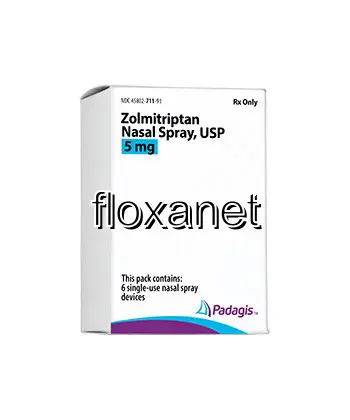
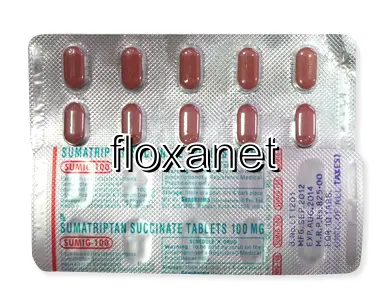
The range of medicines in this category covers several pharmacological classes. Acute options include non-prescription analgesics such as ibuprofen, naproxen and acetaminophen, as well as prescription-specific medicines like triptans (for example sumatriptan, rizatriptan or eletriptan) and ergots (such as ergotamine or dihydroergotamine). Newer oral acute agents include ditans (lasmiditan) and gepants (rimegepant and ubrogepant), and antiemetics such as metoclopramide or prochlorperazine are often used to address nausea. Preventive approaches include traditional oral medications from other therapeutic areas—beta-blockers like propranolol, certain antiepileptic drugs such as topiramate, and some antidepressants like amitriptyline—alongside newer targeted options including calcitonin gene-related peptide (CGRP) pathway monoclonal antibodies (erenumab, fremanezumab, galcanezumab and eptinezumab) and onabotulinumtoxinA for chronic migraine. Formulations span tablets, nasal sprays, injectables and infusions, so the delivery method is an important part of the selection process.
Safety considerations vary by drug class. Some acute agents may not be appropriate for people with certain cardiovascular conditions, and others can interact with commonly used medicines; triptans and ergot derivatives are a well-documented example of classes with specific contraindications and interaction profiles. Frequent, long-term use of some pain-relieving medicines can lead to medication-overuse headache, and side effects such as dizziness, drowsiness, gastrointestinal upset or changes in mood can occur with various preventive and acute treatments. Pregnancy and breastfeeding status, age, existing health conditions and other medications being taken affect which products are suitable in any individual case.
When comparing options, users commonly consider the speed of onset, expected duration of relief, route of administration, dosing convenience and likely side effects. People often look for medicines that act quickly when an attack starts, have a lower risk of recurrence, are easy to take during an episode (for example, a nasal spray for severe nausea), or that reduce the number of disabling days when used preventively. The choice between over-the-counter versus prescription products, single-dose versus repeat-dose allowances, and short courses versus ongoing preventive regimens are typical factors evaluated.
Practical aspects are also important when selecting migraine medicines. Some treatments are available without a prescription while others require medical assessment and prescription; some injectable or infused products have specific storage and handling needs. The availability of different formulations, the suitability of a product for episodic versus chronic patterns, and personal priorities such as minimizing side effects or avoiding interactions with other therapies are considerations that often guide selection. Clear information about what a medicine is designed to do, how it is typically used, and what to expect from it can help users make informed choices when browsing options in this category.