📞  — free, 24/7
— free, 24/7 — free, 24/7Supplements and support products for muscle development, strength and recovery: protein powders, amino acids, creatine, pre- and post-workout formulas, joint and tendon support, hydration and electrolyte solutions, and nutritional vitamins used alongside training programs.
Supplements and support products for muscle development, strength and recovery: protein powders, amino acids, creatine, pre- and post-workout formulas, joint and tendon support, hydration and electrolyte solutions, and nutritional vitamins used alongside training programs.
Bodybuilding medications comprise a range of pharmaceutical products that are used by people seeking to influence muscle mass, strength, recovery and hormonal balance. Many of these medicines were developed for medical conditions such as hypogonadism, infertility or hormone-sensitive diseases and have been adopted in athletic and bodybuilding contexts. The category brings together agents that act on androgen and estrogen pathways, as well as drugs used to manage side effects that can arise when manipulating those pathways.
Common patterns of use reported in this area include attempts to enhance muscle growth, improve training recovery, reduce body fat, and manage the hormonal consequences of intensive training or therapeutic interventions. Some medicines are used as part of structured regimens intended to alter circulating hormone levels, while others are used selectively to counter unwanted effects such as excess estrogenic activity. In addition, a number of products listed here are employed in clinical situations unrelated to sport and bodybuilding, reflecting their broader therapeutic roles.
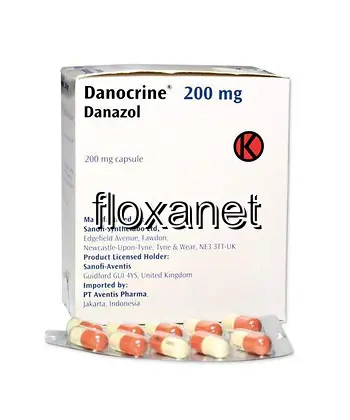
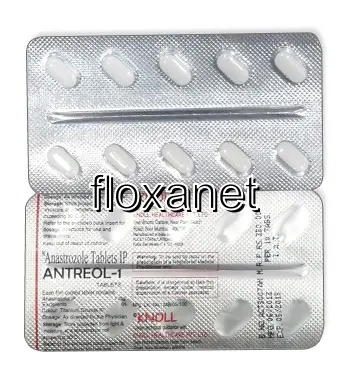
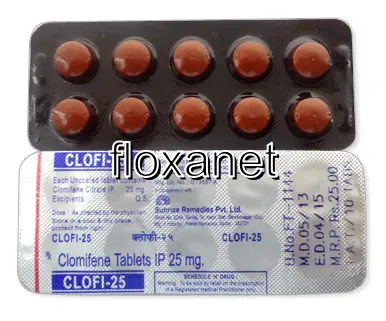
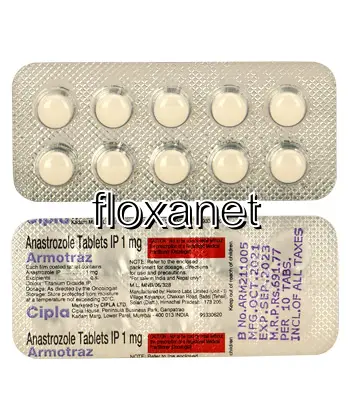
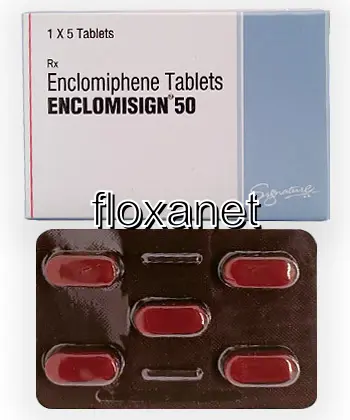
The medications typically found in this category fall into several pharmacological classes. Topical testosterone formulations such as Androgel provide a transdermal route for delivering testosterone. Selective estrogen receptor modulators (SERMs) and related agents include Clomid (clomiphene), Serophene and Nolvadex (tamoxifen), as well as newer or niche products such as Androxal; these compounds act on estrogen receptors in different tissues. Aromatase inhibitors such as Arimidex reduce the conversion of androgens to estrogens, and other androgenic or anti-androgenic agents like Danocrine may be used in specific circumstances. Products vary widely in formulation and mechanism, and some names encountered in the market represent closely related compounds or regional trade names.
Safety considerations are an important part of the profile for these medicines. Drugs that affect hormones can produce systemic effects on cardiovascular health, liver function, lipid profiles, mood, reproductive function and metabolic parameters, and individual risk depends on dose, duration and personal health status. Interactions with other medications and underlying medical conditions can alter safety. Regulatory status varies by country: many of these medicines are prescription-only, are monitored in clinical use, and are subject to legal controls in competitive sport. The market in online and informal sources can include products of uncertain composition or quality, which raises additional safety and legal concerns.
When people look for products in this category they commonly compare formulation and route of administration (for example, topical gel versus oral tablet or injectable), expected duration of action, known side-effect profiles and how a medicine fits within a broader regimen. Other practical factors include the product’s regulatory status, availability of reliable manufacturing and labeling information, and whether laboratory monitoring is typically associated with its use. Interest in post-treatment management or symptom control often influences selection, which is why SERMs and aromatase inhibitors are frequently discussed alongside androgen preparations.
Formulations available in this category include gels, tablets and injectable preparations, each with different handling and storage characteristics. Packaging and clear labeling are helpful for identifying active ingredients and concentrations, and registered medicinal products will carry prescribing information and legal disclaimers in most jurisdictions. Because these medicines intersect with medical practice, sport regulations and pharmaceutical oversight, purchasers and users commonly seek transparency about product origin, regulatory classification and known safety information before making choices.