📞  — free, 24/7
— free, 24/7 — free, 24/7Osteoporosis products for preventing and treating low bone density and reducing fracture risk, including prescription therapies (bisphosphonates, SERMs, hormone-related treatments), calcium and vitamin D supplements, bone-strengthening agents and bone health accessories.
Osteoporosis products for preventing and treating low bone density and reducing fracture risk, including prescription therapies (bisphosphonates, SERMs, hormone-related treatments), calcium and vitamin D supplements, bone-strengthening agents and bone health accessories.
Osteoporosis is a condition characterized by reduced bone density and structural deterioration of bone tissue, which increases the risk of fractures. Medications in this category are intended to slow bone loss, strengthen bone, or support bone-forming processes. The overall aim of treatment is to reduce the likelihood of broken bones and related complications, and products here range from prescription therapies to commonly used supplements that support bone health.
These medicines are commonly used for primary prevention in people at increased fracture risk and for secondary prevention after a broken bone. Typical situations include postmenopausal bone loss, age-related osteoporosis in older adults of any sex, and bone weakening related to long‑term use of corticosteroids. Treatment choices often take into account a person’s fracture history, bone density measurements and other health conditions that affect bone metabolism.
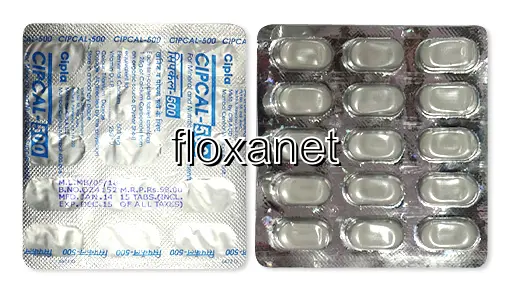
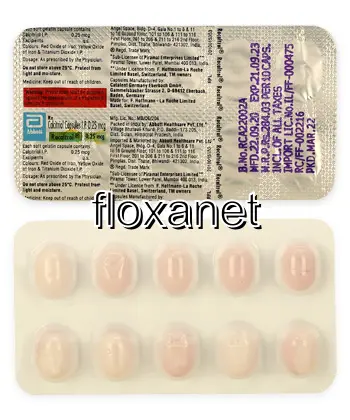
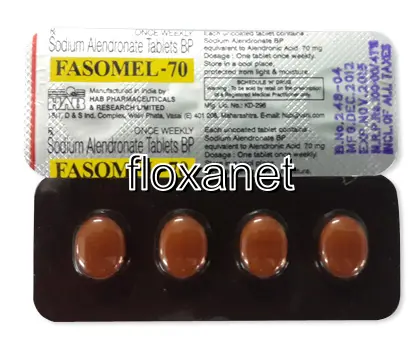
The category includes several classes of agents. Antiresorptive drugs such as bisphosphonates reduce the rate at which bone is broken down; alendronate is a well-known example that is often referenced by its trade name, Fosamax. Other options include selective estrogen receptor modulators, monoclonal antibodies that target bone-resorbing signals, and hormone-related preparations in specific cases. Support therapies that are frequently grouped with osteoporosis treatments include calcium supplements like calcium carbonate and active forms of vitamin D used to aid calcium absorption and bone mineralization; examples of active vitamin D analogs encountered in this area are alfacalcidol (sometimes supplied as products like Alfacip) and calcitriol (sold under names such as Rocaltrol in some markets).
How these medicines are taken varies by type. Some drugs are oral tablets taken at regular intervals that may be daily, weekly or monthly, while others are administered by injection at longer intervals. Calcium and vitamin D compounds are often taken daily as part of long-term management. Prescription therapies are typically initiated and followed up by a healthcare professional, and some treatments require periodic reassessment of bone density or laboratory monitoring to evaluate response and safety.
Safety considerations differ between agents and among individuals. Gastrointestinal symptoms are among the more commonly reported effects for oral antiresorptives, while injectable therapies can be associated with transient symptoms such as mild flu-like reactions. Some treatments can influence blood calcium levels or interact with other medications. Rare but serious events have been reported with certain agents, so awareness of the specific safety profile of each medicine is important. Product information and professional guidance are key sources of details about risks and precautions.
When selecting a medicine from this category, users commonly weigh factors such as proven effectiveness at reducing fractures, dosing convenience and frequency, route of administration, known side effects, and any contraindications related to other health conditions. Over‑the‑counter supplements versus prescription therapies, the need for accompanying calcium or vitamin D, and monitoring requirements also influence choices. Reviewing the active ingredient names and how a product fits into a broader bone‑health plan helps people match available options to their circumstances before discussing them with a healthcare professional.