📞  — free, 24/7
— free, 24/7 — free, 24/7Medications and supplies for diagnosing and treating thyroid conditions, including hormone replacement (levothyroxine, liothyronine), antithyroid drugs (methimazole, propylthiouracil), combination therapies, dosing aids, and related supplements and monitoring products.
Medications and supplies for diagnosing and treating thyroid conditions, including hormone replacement (levothyroxine, liothyronine), antithyroid drugs (methimazole, propylthiouracil), combination therapies, dosing aids, and related supplements and monitoring products.
The Thyroid category covers medicines used to replace, supplement or regulate the hormones produced by the thyroid gland. The thyroid gland produces hormones that influence metabolism, energy levels, temperature regulation and growth. Medications in this group are designed to correct hormone imbalances when the gland is underactive, to manage certain thyroid conditions after surgery or radioiodine treatment, or to provide short‑term hormone support in specific clinical settings.
Common reasons people take thyroid medicines are an underactive thyroid (hypothyroidism), congenital thyroid deficiency, management following removal of thyroid tissue, and suppression therapy in some thyroid disorders. Restoring or maintaining appropriate thyroid hormone levels helps support normal metabolic processes, organ function and, in children, growth and development. Some preparations are also used temporarily in diagnostic procedures or to manage particular postoperative situations.
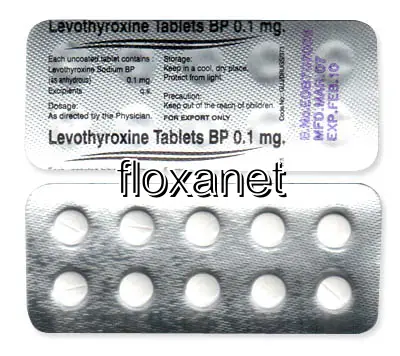
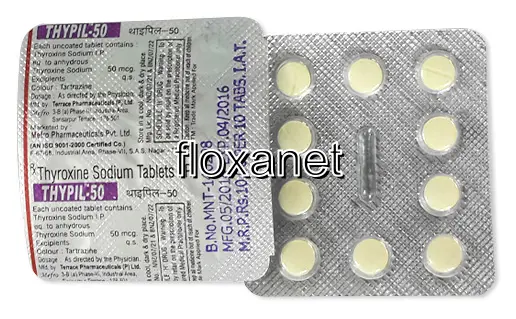
There are different types of thyroid medicines reflecting the hormones they replace or mimic. Levothyroxine products deliver synthetic thyroxine (T4), while liothyronine provides synthetic triiodothyronine (T3); some treatments combine both. Formulations range from standard tablets to liquid forms and occasionally slow‑release preparations or natural desiccated thyroid extracts. Well‑known examples often encountered by patients are Synthroid and Levothroid (forms of levothyroxine) and Cytomel (liothyronine), mentioned here as typical representatives of the main therapeutic approaches.
Safety and proper use are important considerations for thyroid medicines. Dosing is individualized because requirements vary by age, weight, underlying condition and other health factors; too little medication can leave symptoms of low thyroid function, while too much can produce symptoms of excess hormone activity. Absorption and effectiveness can be affected by other drugs, supplements and gastrointestinal conditions. Side effects, interactions and the need for periodic laboratory testing and clinical assessment are commonly part of the treatment process.
When choosing a thyroid product, people commonly look at the active ingredient and strength that match their prescribed regimen, the formulation they find easiest to take, and whether the product offers steady and reliable potency. Consistency from one refill to the next is often important, as is the availability of different dose increments for fine adjustment. Packaging, storage requirements and the presence of any excipients that could cause sensitivities are other practical factors consumers consider when selecting a medication in this category.